Backflow Testing Spring Hill TN | Backflow Prevention Service Near Me
If you have a sprinkler system in Spring Hill, you almost certainly have a backflow device, and a yearly test to keep. This page covers the device, the test, and the city path.
Licensed & Insured · Locally Owned & Operated
Mon–Fri 7AM–7PM · Sat 8AM–4PM · 24/7 Emergency
Drinking-Water Safety
Backflow Prevention & Testing
Backflow is water flowing backward into the drinking supply when pressure drops. When a water main breaks, a hydrant is used, or demand spikes, water can be sucked backward and pull contaminants, irrigation water, hose chemicals, or stagnant water, into the drinking supply. See our Spring Hill home page for the full service list, or stay here for the backflow side.
Direct answer: a backflow preventer is a one-way guard on the line. Testing checks whether its check valves still hold and its relief or air-inlet parts still open. How backflow prevention works covers the physics behind it.
Most homeowners do not know what backflow is until they get a letter. Irrigation and sprinkler systems are the trigger most Spring Hill homeowners recognize: a lawn system is a cross-connection, and that is why a backflow assembly is required. A sprinkler backflow device is the most common assembly we test in Spring Hill. Other cross-connections people miss include hose bibbs without protection, boiler feeds, automatic pool fillers, fire lines, and commercial equipment.
The Spring Hill Path: Permit, Install, Test, Retest
Spring Hill has its own local rules, and this page follows them. Under the city's cross-connection ordinance, Ordinance 06-45, a permit and inspection are required for installation, relocation, or replacement of a backflow assembly. The assembly must be installed before the first branch and close to the meter, with the height and clearance rules the ordinance sets out.
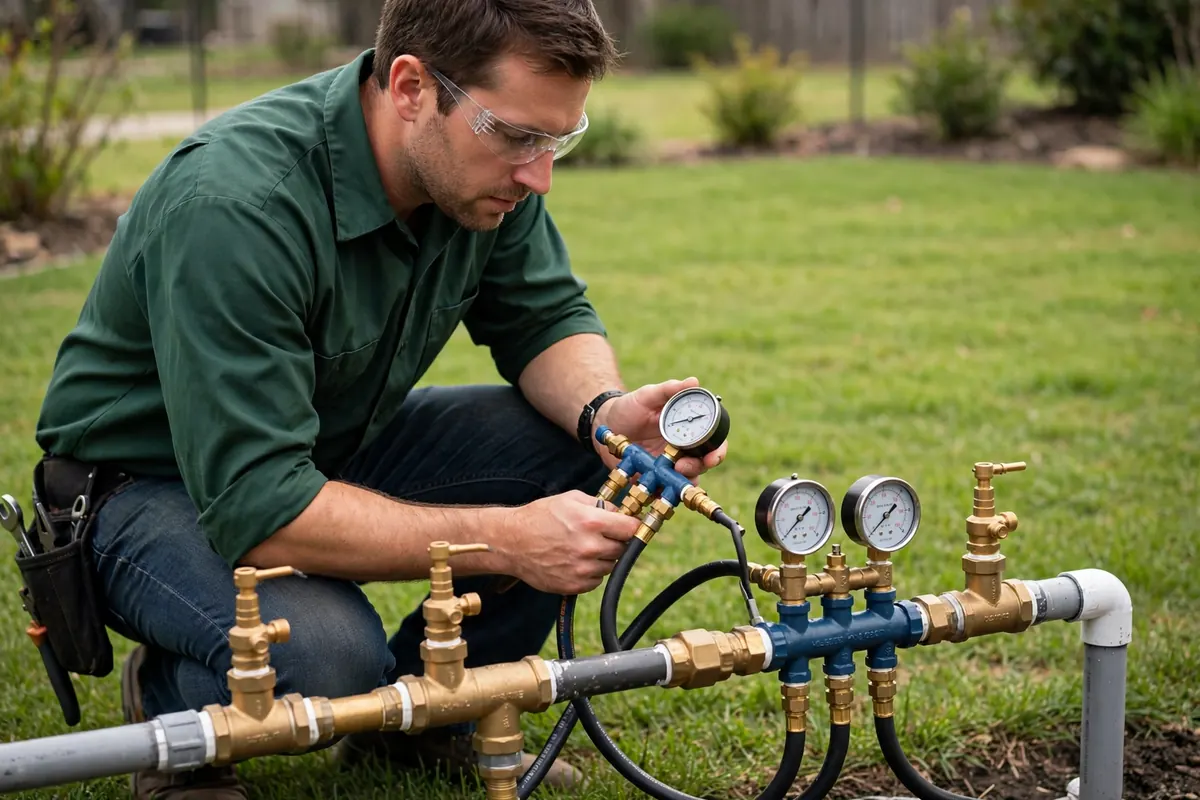
A backflow preventer annual test checks whether the check valves still hold. Under the city rules, a device must be tested within 30 days of installation and annually thereafter, by a certified tester. Testing and repairs are at the customer expense, and failure to maintain a device can be grounds for discontinuing water service. Ask the city office for current fees and filing steps, since those were not confirmed at build time, and ask us who will perform the test and what paperwork the city receives.
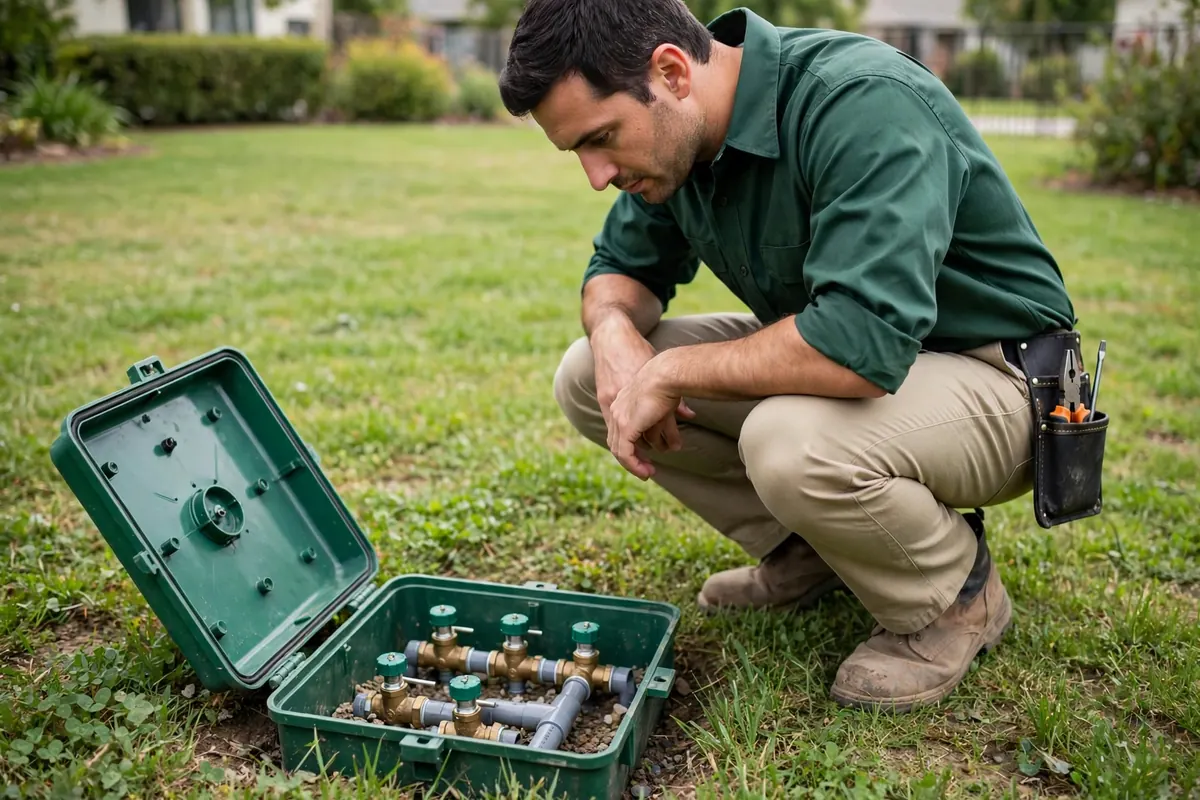
Annual-testing letters cause anxiety: why again, and what if it fails. Devices wear, freeze, and collect debris, so a device that passed at install can fail a year later. Testing measures whether check valves hold and relief or air-inlet parts open correctly. Failed devices must be repaired, overhauled, or replaced and retested. DIY testing is not an option: testing requires a certified tester with gauges and paperwork the city accepts.
Licensed & Insured · Locally Owned & Operated
Backflow Preventer Installation, Repair & Replacement
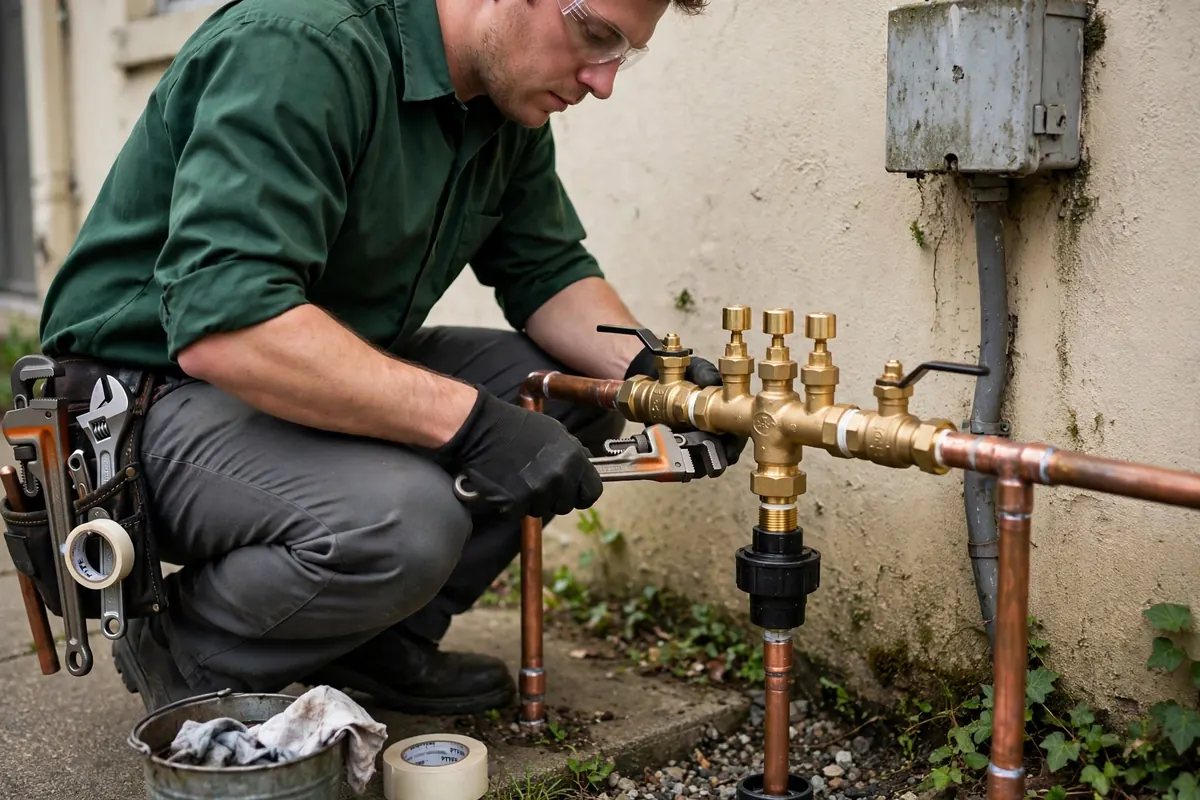
Device choice follows hazard level. An RPZ valve, or Reduced Pressure Zone assembly, fits high-hazard connections: it has two check valves plus a relief valve that dumps water if either check fails. A double check valve assembly fits moderate hazards with two check valves and no relief. A pressure vacuum breaker fits irrigation in many cases, and an atmospheric vacuum breaker is the simplest device, for low-hazard hose connections.
| Device | Fits | Notes |
|---|---|---|
| RPZ valve | High hazard | Two checks plus relief valve; needs drainage for relief discharge |
| Double check valve | Moderate hazard | Two checks, no relief; common on commercial lines |
| Pressure vacuum breaker | Irrigation | Air inlet plus check; must sit above the highest sprinkler head |
| Atmospheric vacuum breaker | Low hazard | Simplest device; hose-bibb style connections |
Commercial compliance is a separate audience from homeowners. Businesses, multi-family properties, and irrigation owners face annual testing, documentation filed with the water purveyor, and repair deadlines. Homeowners with a single sprinkler system face the same annual test, but the paperwork path is simpler. Both audiences get the same advice: keep the test on schedule, keep the paperwork, and fix a failed device before the deadline.
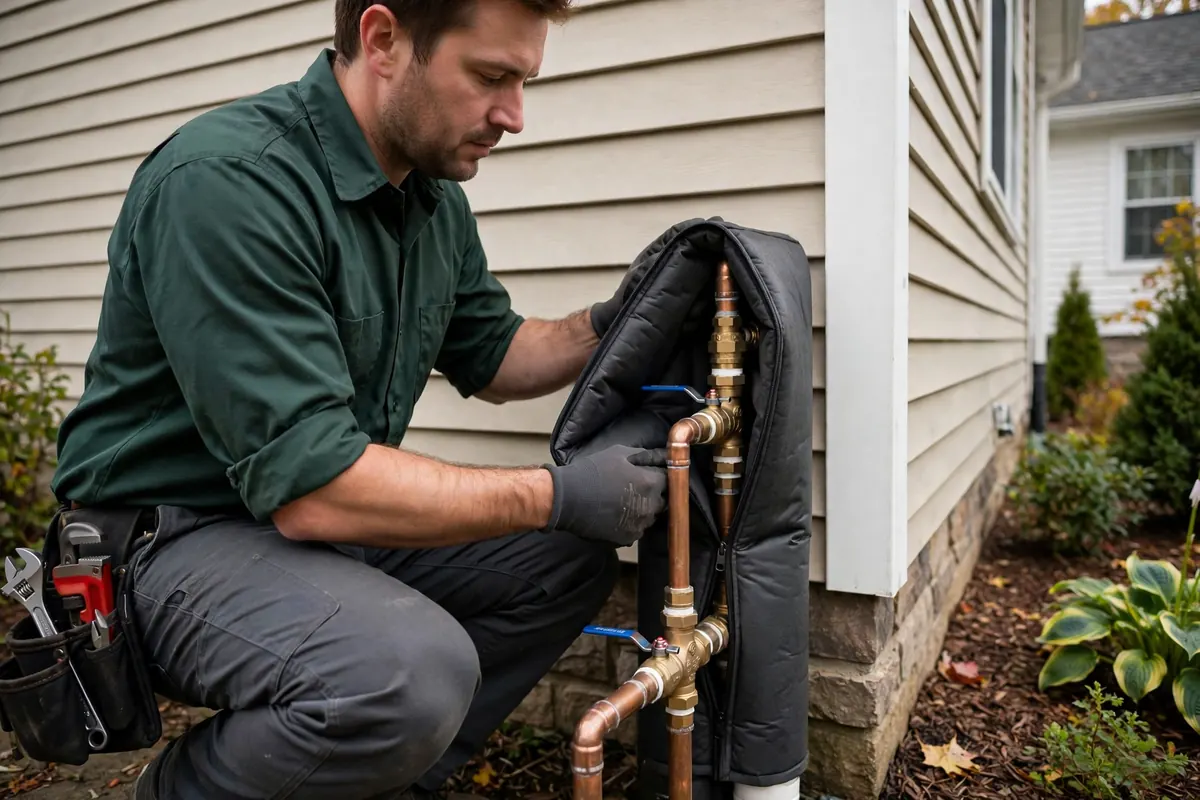
Freeze protection matters for outdoor assemblies. An enclosure or insulated cover keeps a device alive through a cold snap, and a device that freezes can crack and fail its next test. If your assembly sits outdoors, ask us about protection when you schedule the test.
Licensed & Insured · Locally Owned & Operated
Related: business plumbing, everyday household plumbing repair, sump pump services, contact us.
Backflow Questions
Backflow is water flowing backward into the drinking supply when pressure drops, for example during a water-main break, hydrant use, or heavy demand. That backward flow can pull irrigation water, hose chemicals, or stagnant water into the drinking supply. A backflow preventer stops it.
Yes. A lawn irrigation system is a cross-connection, and that is why a backflow assembly is required. Other cross-connections people miss include hose bibbs without protection, boiler feeds, automatic pool fillers, and fire lines.
Under the city rules, a device must be tested within 30 days of installation and annually thereafter, by a certified tester. Testing and repairs are at the customer expense. Ask us who will perform the test and what paperwork the city receives.
A failed device must be repaired, overhauled, or replaced and retested. Testing measures whether check valves hold and relief or air-inlet parts open correctly. Failure to maintain a device can be grounds for discontinuing water service.
Yes. The city requires a permit and inspection for installation, relocation, or replacement of a backflow assembly. Ask the city office for current fees and filing steps, since those were not confirmed at build time.
Ready When You Are
Annual Test Due? Schedule It Before the Deadline.
Call now to schedule a backflow test or a preventer install. Mon–Fri 7AM–7PM, Sat 8AM–4PM, 24/7 for emergencies.
Licensed & Insured · Locally Owned & Operated